The Effect of Social Media Site heading We Eat News Online
Social media has essentially transformed news intake. It supplies instant access to information, commonly overshadowing conventional media outlets. Nevertheless, this rapid circulation includes obstacles. Customers deal with the danger of coming across false information and becoming entraped in echo chambers. The formulas driving customized material can cover diverse perspectives. As these dynamics evolve, comprehending their ramifications becomes vital for informed involvement in public discussion. What techniques might assist browse this complicated landscape?
The Advancement of News Consumption in the Digital Age
As modern technology progressed, the method people taken in news transformed substantially in the digital age (stnews.live). Typical papers and relayed media started to decrease as the internet became a main resource of info. On-line platforms supplied immediate accessibility to news write-ups, videos, and podcasts, allowing customers to stay notified at any moment. The ease of mobile tools better accelerated this change, enabling individuals to obtain updates on the go
Additionally, the surge of news aggregators and web sites promoted the consumption of varied point of views, empowering users to customize their news consumption based upon personal rate of interests. This development additionally triggered news companies to adapt their techniques, concentrating on electronic content and interesting readers via multimedia layouts. As an outcome, the traditional obstacles of time and space in news delivery reduced, leading to a more instant and individualized news experience for audiences worldwide.
The Role of Social Media Platforms in News Distribution
Social media site platforms have transformed news circulation by offering immediate accessibility to info. Their algorithm-driven material curation usually focuses on engagement over accuracy, leading to significant credibility difficulties (stnews.live). As customers browse this landscape, the effects for news intake and public discussion come to be increasingly complex
Instant News Access
Standard news electrical outlets have actually long been the primary source of details, the increase of social media platforms has considerably transformed just how news is accessed and consumed. Immediate news gain access to has come to be a trademark of the digital age, enabling customers to obtain updates in genuine time. Platforms such as Twitter, Facebook, and Instagram permit news to spread rapidly, typically surpassing conventional media in rate and reach. Customers can share stories, comment on occasions, and involve with reporters, creating a dynamic communication in between the target market and news web content. This immediacy fosters a culture of necessity, triggering users to inquire rapidly. The expectation for timely news has improved journalistic techniques, compelling news companies to adapt their methods to satisfy the needs of a fast-paced electronic atmosphere.
Algorithm-Driven Material
While customers proactively engage with content on social media sites, the formulas that regulate these systems play a critical function in figuring out which newspaper article get visibility. These algorithms copyrightine user habits, choices, and engagement metrics to curate individualized news feeds. Therefore, certain stories may be intensified while others remain odd, often prioritizing astonishing or trending subjects over substantive reporting. This selective direct exposure forms individuals' understandings of current occasions and influences public discourse. The dependence on algorithm-driven material can create resemble chambers, where individuals are primarily revealed to perspectives that align with their very own beliefs. The dynamics of news distribution on social media platforms greatly influence exactly how people consume and translate details in the digital age.
Credibility Difficulties
As customers progressively turn to social media for news, the reliability of info come across on these systems comes to be a pushing concern. The decentralized nature of social media permits any person to release web content, frequently blurring the lines in between trustworthy journalism and misinformation. Formulas prioritize involvement over precision, causing the widespread dissemination of spectacular or misleading tales. This environment postures substantial challenges for individuals trying to discern reliable sources. Social network platforms, while seeking to battle misinformation with fact-checking and web content moderation, run the gauntlet for disparities and prejudices in their approaches. Eventually, the obligation lies with individuals to critically review the news they eat, as the fast spread of information commonly outmatches verification efforts by platforms.
The Increase of Person Journalism and User-Generated Web Content
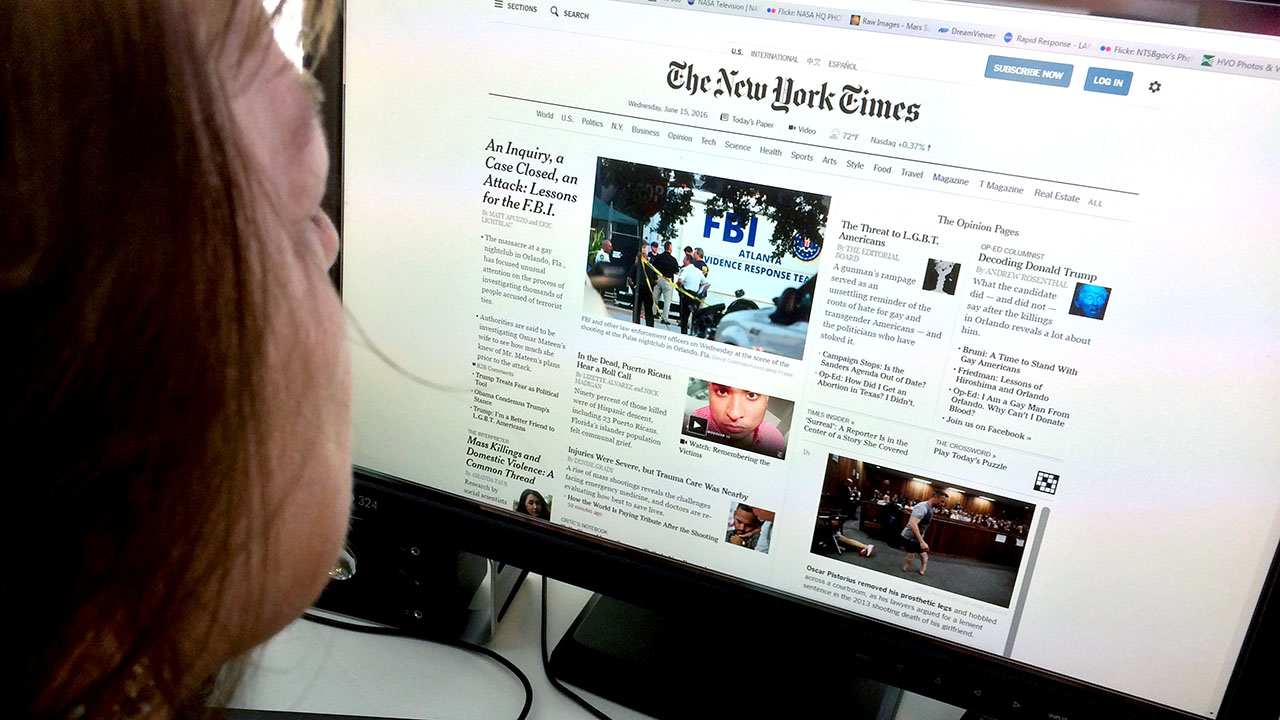
The rise of citizen journalism has encouraged everyday people to share news and viewpoints, commonly offering insights that typical media might ignore. This shift also presents considerable obstacles, specifically the spread of false information that can emerge from unproven web content. As user-generated content becomes much more prevalent, the balance between authentic voices and accuracy in coverage stays a vital concern.
Equipping Daily Voices
Obstacles of False information
While the surge of person journalism has actually opened up avenues for diverse voices in the media landscape, it has actually additionally introduced significant obstacles connected to misinformation. The ease of sharing information through social networks platforms enables individuals to disseminate news quickly, however this fast spread typically comes with the expense of precision. User-generated web content regularly does not have the strenuous fact-checking and content oversight that conventional journalism provides. Sensationalized or false narratives can acquire traction, misleading target markets and shaping public perception. Additionally, the blending of point of view and fact within social media complicates the difference between qualified info and false information. Consequently, customers have to browse an increasingly complex media environment, calling for crucial thinking abilities to recognize trusted news resources in the middle of the noise

False information and Its Implications for Public Discourse
As social media sites platforms increasingly control the landscape of info circulation, the expansion of false information positions considerable obstacles for public discussion. Misinformation, usually designed to misinform or provoke emotional feedbacks, can misshape assumptions of reality and weaken rely on credible sources. This sensation leads to polarized perspectives, as individuals move towards echo chambers that strengthen their ideas, further lodging departments within society.
The ramifications for public discussion are extensive. When residents count on incorrect details, significant discussion diminishes, and the democratic procedure endures. Additionally, false information can provoke fear and confusion, impacting public health and wellness, security, and political security. As a result, cultivating media literacy becomes necessary, empowering people to seriously assess information and discern fact from fiction. Dealing with the obstacles presented by misinformation is essential for preserving the honesty of public discussion and guaranteeing a knowledgeable populace capable of engaging in positive conversations.
The Impact of Formulas on News Visibility
Given the main role of algorithms in determining content presence, their impact on news usage is profound. These algorithms, made use of by social media sites platforms, prioritize particular page kinds of content based upon customer interaction and preferences. Consequently, news short articles that align with preferred fads or audience interests are most likely to be presented prominently, while less mind-blowing tales may be forgotten. This produces an environment where customers are subjected mainly to information that enhances their viewpoints, possibly bring about echo chambers.
Moreover, the continuous development of formulas indicates that wire service have to adapt their approaches to line up with these transforming criteria, frequently focusing on clickbait or mentally billed headlines. The honesty of news reporting can be jeopardized, as critical tales might not receive the presence they deserve. The algorithmic shaping of news exposure consequently plays a vital duty in influencing public assumption and understanding of current occasions.
The Change Towards Aesthetic Storytelling in News Media
Progressively, news media is welcoming visual narration as an effective tool to engage target markets. This strategy leverages photos, video clips, infographics, and interactive elements to communicate info better than standard text-based styles. As focus spans shorten, visuals provide a quick, impactful way to connect intricate tales and get visitors' rate of interest.
Systems like Instagram and TikTok have additional accelerated this fad, engaging news organizations to adjust their content techniques to fit these visually-driven atmospheres. By incorporating engaging visuals, news electrical outlets can boost psychological connections and foster greater understanding of topical issues.
Furthermore, visual storytelling allows for more varied stories, showcasing multiple perspectives via vibrant presentations. As audiences increasingly eat news with smart phones, the change toward visuals not only deals with user choices however also aids to break down barriers to information accessibility. Eventually, this development reflects a broader change in how news is generated and consumed in the digital age.
Future Patterns: Navigating the Altering Landscape of News Consumption
While the electronic landscape continues to progress, news consumption is positioned for considerable transformation driven by arising technologies and transforming audience behaviors. As expert system and device knowing advancement, individualized news feeds will end up being more common, permitting individuals to obtain content customized to their passions. This personalization can result in better engagement but likewise elevate issues about echo chambers and false information.
The surge of voice-activated devices and smart speakers will certainly affect exactly how news is provided, shifting the focus from visual to auditory styles. This pattern may motivate news organizations to embrace more concise and interesting audio content.

Often Asked Inquiries
Exactly How Do Social Media Communications Affect News Reliability?
Social media communications can substantially influence perceptions of news integrity. Involvement metrics, such as sort and shares, typically shape target market count on, with popular posts getting perceived legitimacy, no matter the precision or dependability of the info provided.
What Role Do Influencers Play in Shaping News Narratives?
Influencers considerably shape news narratives by leveraging their platforms to amplify particular stories, typically customizing content to their target market. This can lead to prejudiced viewpoints, impacting public assumption and prioritizing sensationalism over valid reporting.
Exactly How Can Users Identify Reliable News Resources on Social Network?
Customers can recognize dependable news resources on social media sites by inspecting the source's integrity, validating truths via several outlets, assessing the professionalism of the material, and recognizing potential prejudices in reporting to guarantee precise info.
What Effect Does Social Media Have on Typical Journalism Jobs?
Social media considerably impacts standard journalism work by changing earnings designs, decreasing need for print media, and cultivating competition from person journalists. Many specialists deal with task instability and need to adapt to swiftly altering media landscapes.
How Do Various Demographics Consume News on Social Network?
Various demographics display varied preferences for news consumption on social media sites. More youthful target markets prefer systems like TikTok and Instagram for quick updates, while older people have a tendency to choose Twitter and facebook i thought about this for much more in-depth conversations and short articles.